Buying your first home in Highland Heights can feel exciting one minute and overwhelming the next. If you are trying to figure out how much cash you need, what to look for during showings, and how to avoid costly surprises, you are not alone. The good news is that with a clear plan and the right guidance, the process becomes much more manageable. Let’s walk through it step by step.
Why Highland Heights appeals to first-time buyers
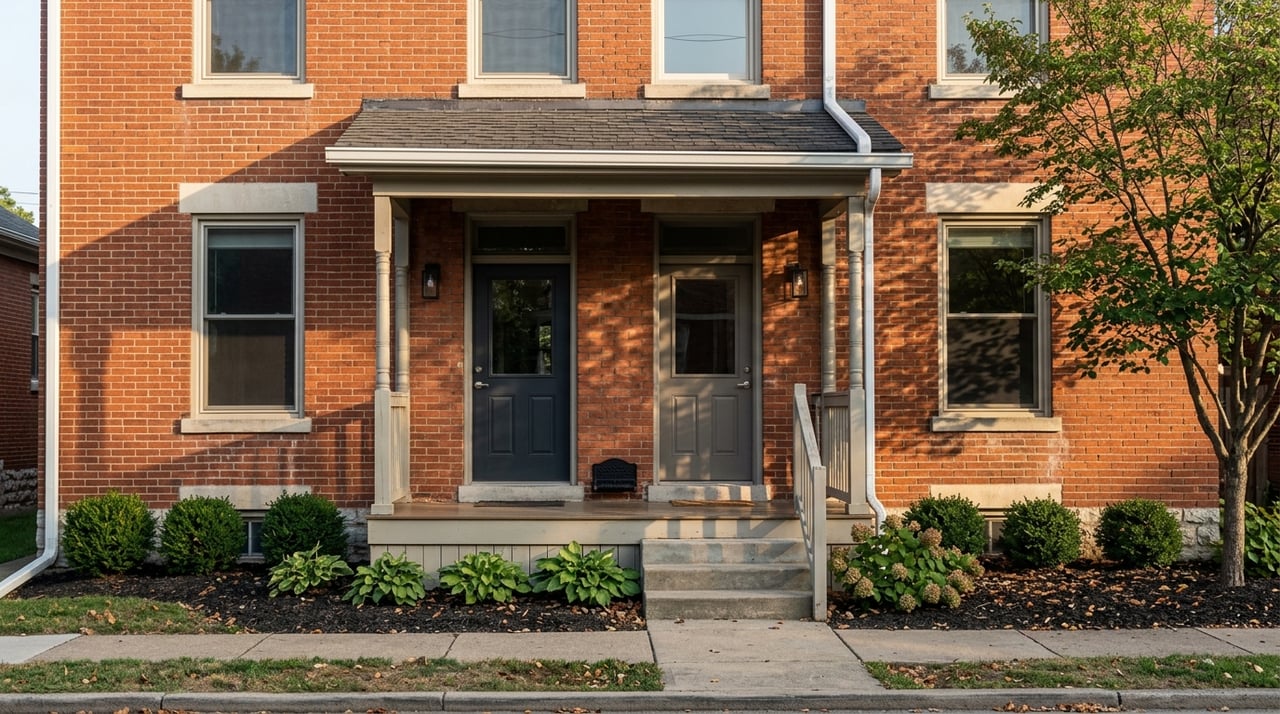
Highland Heights offers a smaller-city setting within the Cincinnati metro area, with a mix of neighborhoods, businesses, students, young professionals, and long-time residents. It is also home to Northern Kentucky University, which adds to the city’s everyday activity and housing variety. For many first-time buyers, that mix can create a practical entry point into homeownership.
The local numbers also help explain why buyers look here first. The median owner-occupied home value in Highland Heights is $169,700, and your topic brief places the average home price around $171,500. Compared with the county average noted in your brief, that can make Highland Heights feel more approachable for buyers trying to balance monthly costs, location, and long-term value.
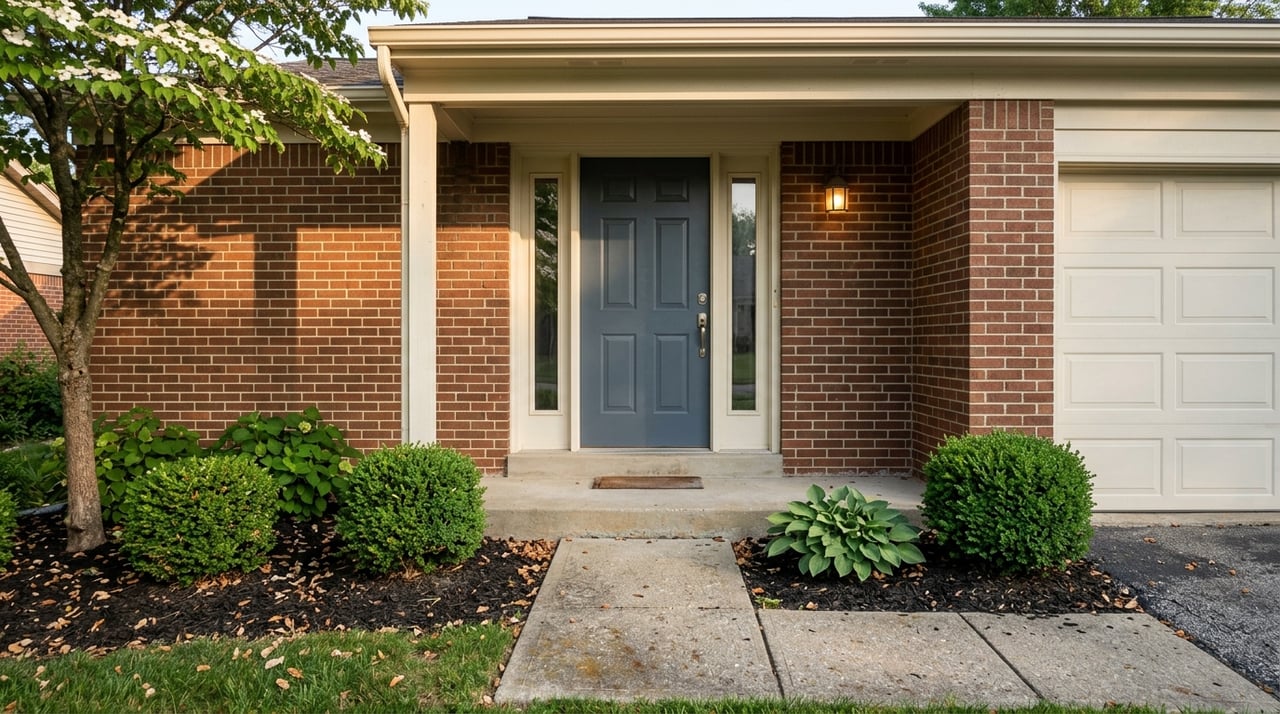
Most homes in this article’s local snapshot average about 1,062 square feet and were built around 1985. That means you are often shopping for homes with some age and character, not brand-new construction. In practical terms, you should be ready to ask more questions about systems, updates, and maintenance history.
Step 1: Set your budget early
Before you tour homes, get clear on what feels comfortable for your monthly payment and upfront costs. Census data reports median monthly owner costs with a mortgage at $1,398 in Highland Heights, which gives you a useful local reference point. Your own payment, though, will depend on your price range, financing, taxes, insurance, and down payment.
Instead of guessing, start by reviewing your income, debts, savings, and moving expenses. You will also want to leave room for inspection costs, closing costs, and immediate repairs or updates after move-in. First-time buyers are often surprised that the down payment is only one part of the cash needed.
Kentucky Housing Corporation, or KHC, offers pre-purchase housing counseling on budgeting, credit, closing costs, loan comparison, purchase procedures, fair housing, fair lending, and the importance of a home inspection. That can be a smart first step if you want more structure before you begin house hunting. KHC also offers a Regular Down Payment Assistance program of up to $12,500 for eligible first-mortgage recipients, repaid over 15 years at 4.75 percent.
Step 2: Get preapproved
A preapproval helps you understand what a lender may be willing to lend, and it shows sellers you are serious. It is important to know that a preapproval is not a guaranteed loan offer. It is a lender’s tentative statement, and those letters often expire in 30 to 60 days.
At this stage, you do not have to commit to your final lender. You can get preapproved, start shopping, and later compare official Loan Estimates before choosing who you want to work with for the actual loan. That flexibility matters, especially if you want to compare costs and terms carefully.
If you are exploring state-backed options, KHC says buyers should work through a KHC-approved lender for KHC loan products. FHA financing may also be worth discussing with your lender if you are looking for lower down payment options. The key is to match the loan to your budget and goals, not just the maximum amount on paper.
Step 3: Learn Highland Heights housing patterns
In Highland Heights, many first-time buyers will be looking at homes built in the late 20th century. That changes what you should focus on during tours. Rather than only noticing paint colors and countertops, look closely at the condition of the home’s major systems and the quality of past updates.
Because Highland Heights is known as a hillside community, drainage, grading, and moisture deserve extra attention. That does not mean every property has a problem. It does mean you should pay attention to signs of water movement around the lot, basement dampness, and how runoff may affect the home over time.
This is where a detail-oriented guide can make a real difference. Laura Zembrodt’s architecture background and construction-minded approach fit well with buyers who want help seeing both a home’s potential and its practical realities. For first-time buyers, that can mean more confidence during showings and fewer surprises later.
Step 4: Tour with a checklist
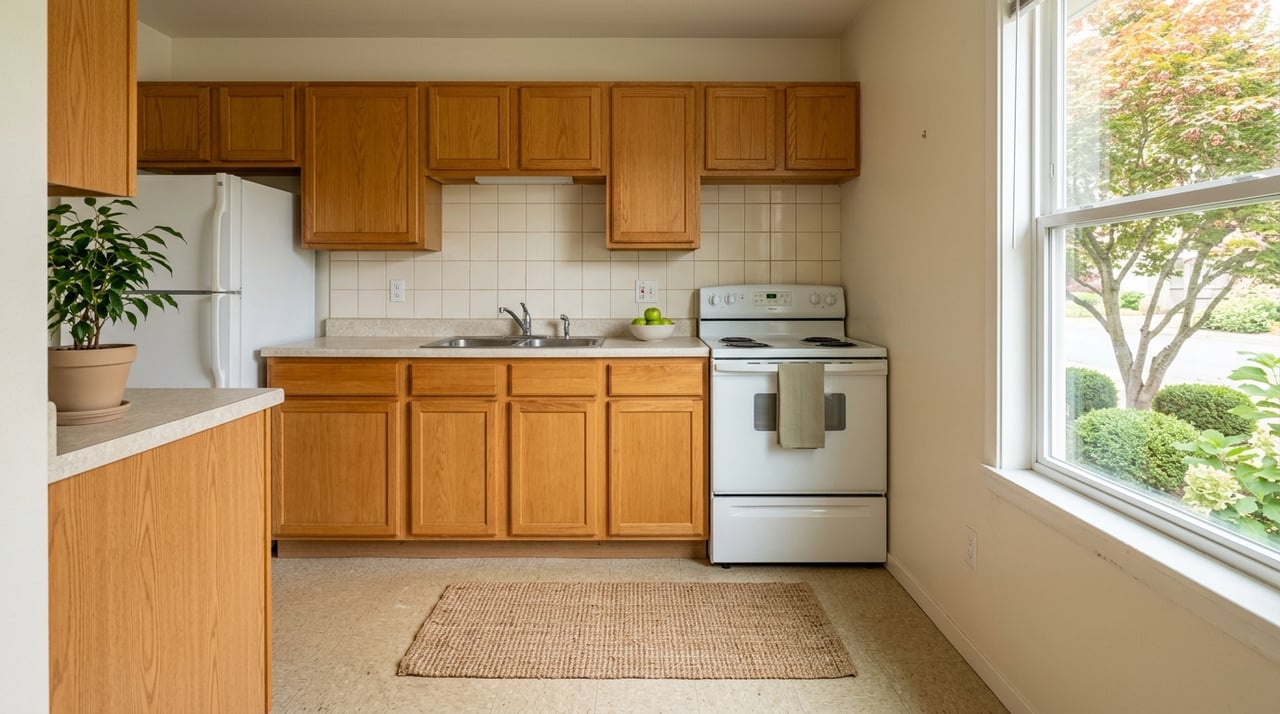
When you walk through homes in Highland Heights, keep your focus on condition first and finishes second. A home with dated cosmetic choices may still be a strong option if the structure and systems are sound. On the other hand, a stylish home can still hide expensive issues.
Use a simple checklist while touring:
- Look for signs of moisture intrusion or basement seepage
- Notice grading and whether water appears to drain away from the home
- Ask about HVAC age and service history
- Check whether plumbing and electrical systems have been updated
- Look for workmanship issues that may suggest unpermitted renovations
- Ask when the roof, windows, and major appliances were replaced
If a home was built before 1978, lead-based paint should also be part of your due diligence. EPA says older homes are more likely to contain lead-based paint, sellers must disclose known lead hazards, and buyers have a 10-day period to conduct a paint inspection or risk assessment before signing unless that right is changed by agreement. Even if you are not planning immediate renovations, it is an important question to ask.
Step 5: Make an offer with the right expectations
Once you find the right home, your offer should reflect both your budget and the property’s condition. A first offer is not just about price. It also includes terms, timelines, and protections that matter if issues come up during financing or inspections.
This is where being process-driven helps. You want to understand what your contract allows if the inspection uncovers repairs, if the appraisal comes in low, or if another part of the transaction changes. Clear expectations on the front end can reduce stress later.
Step 6: Schedule the home inspection quickly
A home inspection and an appraisal are not the same thing. The inspection gives you a closer look at the property’s condition, while the appraisal is an independent opinion of value for the lender. In most financed purchases, both are part of the process.
CFPB recommends scheduling the inspection as soon as possible. That gives you time to review the findings and decide whether to negotiate repairs or, if your contract allows, cancel without penalty. For first-time buyers, this is one of the most important protection steps in the entire purchase.
In Highland Heights, inspection concerns may include:
- Moisture intrusion or mold-related conditions
- Basement seepage
- Drainage and runoff patterns
- Older HVAC systems
- Plumbing or electrical updates
- Signs of work completed without permits
EPA says moisture control is central to preventing mold, which is another reason to take water issues seriously. A home does not need to be perfect, but you do want to understand which items are routine, which are urgent, and which may affect your future budget.
Step 7: Understand the appraisal
The appraisal tells the lender whether the home supports the contract price from a value standpoint. Your lender must provide a copy of the appraisal no later than three days before closing. That gives you a chance to review it before signing your final documents.
If the appraisal comes in below the agreed purchase price, do not panic. CFPB says buyers may be able to negotiate a lower sales price or walk away, depending on the contract terms. This is another reason strong negotiation strategy matters, especially for first-time buyers trying to protect their cash.
Step 8: Review taxes, permits, and local details
Before you close, make sure you understand how local property taxes work. In Kentucky, property taxes are assessed as of January 1, and the current-year tax bill generally remains the responsibility of the January 1 owner unless the contract says otherwise. That is an important detail to review in your transaction documents.
For Highland Heights specifically, city tax bills are sent on or before October 1 and are due by October 31. The bill includes the waste collection charge. Campbell County PVA also reviews assessments annually, physically inspects properties at least once every four years, and sends April notices when assessed values change.
If you are buying a home with plans to update it, check permit requirements before work begins. Campbell County Planning, Zoning, and Building Inspections handles building permits, zoning questions, floodplain management documents, and related review. That is especially important if you want to finish a basement, add a fence, change use, or make other improvements after closing.
Step 9: Get ready for closing day
Closing is where all the pieces come together, but you should not wait until the last minute to review your documents. CFPB says your lender must deliver the Closing Disclosure at least three business days before closing. Use that time to compare the final numbers to what you expected.
You should also review the promissory note, mortgage, and escrow disclosures before signing. Confirm that any agreed repairs have been completed, and arrange utilities ahead of time so your move-in goes more smoothly. A calm closing usually starts with good preparation a few days earlier.
What first-time buyers should remember
Highland Heights can be a smart place to start if you want an approachable price point in Northern Kentucky and are open to homes with some age. The biggest advantage often comes from buying with a clear process, realistic expectations, and careful due diligence. That is especially true in a market where many homes were built around 1985 and may have maintenance or update questions worth investigating.
If you want a guide who can help you look beyond surface finishes, think through renovation potential, and stay focused on the details that matter, working with someone who understands both design and construction can be a real advantage. When you are ready to take the next step, connect with Laura Zembrodt to schedule a consultation.
FAQs
How much cash do first-time buyers need in Highland Heights?
- Your upfront cash needs can include more than a down payment, such as inspection costs, closing costs, and reserves for repairs or moving expenses. A preapproval, official Loan Estimates, and KHC counseling can help you estimate your real number more accurately.
Do first-time buyers need a home inspection in Highland Heights?
- Yes. A home inspection is a key part of due diligence and is different from an appraisal. It can help you identify issues like moisture, drainage, HVAC age, plumbing, electrical updates, and possible unpermitted work.
What happens if an appraisal comes in low on a Highland Heights home?
- Depending on your contract terms, you may be able to negotiate a lower sales price or walk away from the purchase. Your lender must provide the appraisal copy no later than three days before closing.
How do property taxes work for Highland Heights homes?
- In Kentucky, property taxes are assessed as of January 1, and the current-year bill generally remains with the January 1 owner unless the contract says otherwise. In Highland Heights, city tax bills are typically issued by October 1 and due by October 31.
Who handles permit questions for Highland Heights home projects?
- Campbell County Planning, Zoning, and Building Inspections handles permit submittals, zoning questions, floodplain management documents, and related property change questions. Contact that office before starting work.