Choosing a floor plan can feel simple until you start touring homes in Lakeside Park. One house gives you easy one-level living, another offers split spaces for work and downtime, and a third charms you with older details but a more traditional layout. If you want to buy with confidence, it helps to know how these floor plans actually live day to day, what may be easier to change later, and where remodeling can get more complex. Let’s dive in.
Why floor plans matter in Lakeside Park
Lakeside Park is a mostly residential city in Kenton County with about 530 acres and 14 subdivisions. The housing stock spans multiple eras, which means you are likely to see a mix of ranch homes, split-level layouts, and older two-story homes rather than one single dominant style.
That variety is part of the appeal. Some homes offer mid-century simplicity, while others bring older architectural character and more defined room separation. In practice, the best choice usually comes down to your daily routine, your comfort with stairs, and how much renovation work you want to take on.
Main floor plans you’ll find
Ranch homes
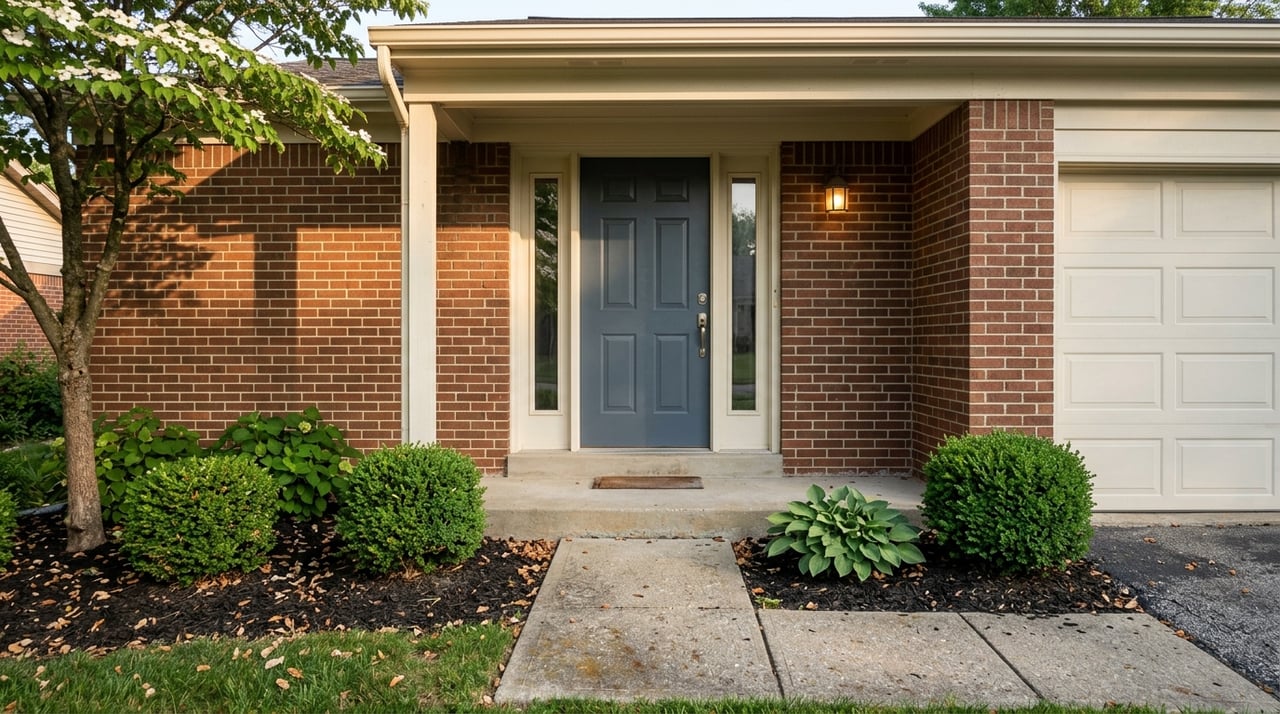
Ranch homes are typically one story with a low-pitched roof, wide eaves, and a layout that emphasizes horizontal living. Many also feature open living areas, large windows, and attached garages.
In Lakeside Park, ranch homes remain a realistic and relevant option. Current local examples include ranch listings with open-concept living, main-level primary suites, and lower-level bonus space, which makes them attractive if you want simplicity without giving up flexibility.
Split-level homes
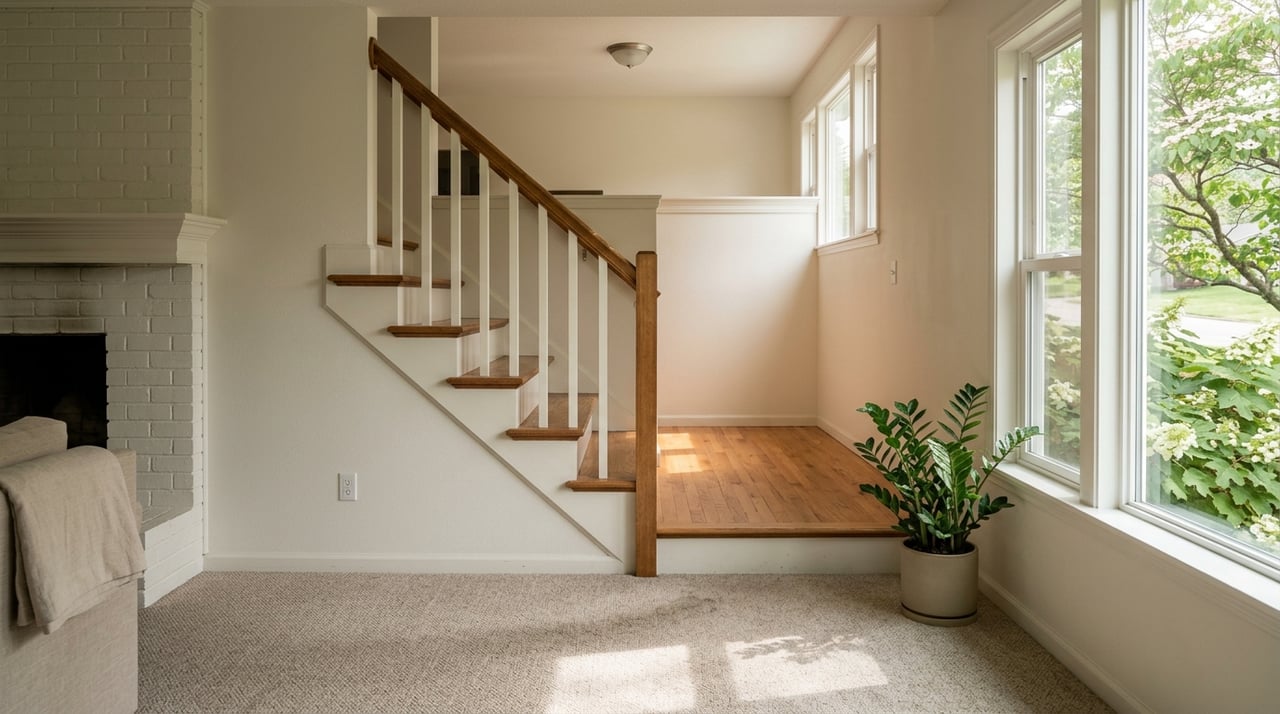
Split-level homes were designed as a multi-level alternative to the ranch. They usually have staggered half-floor levels that separate living, sleeping, and service areas.
In Lakeside Park, this type of layout still shows up in the market. A local listing identified as multi/split reflects that buyers here may come across homes where the layout naturally creates separation between active areas and quieter spaces.
Two-story and older character homes
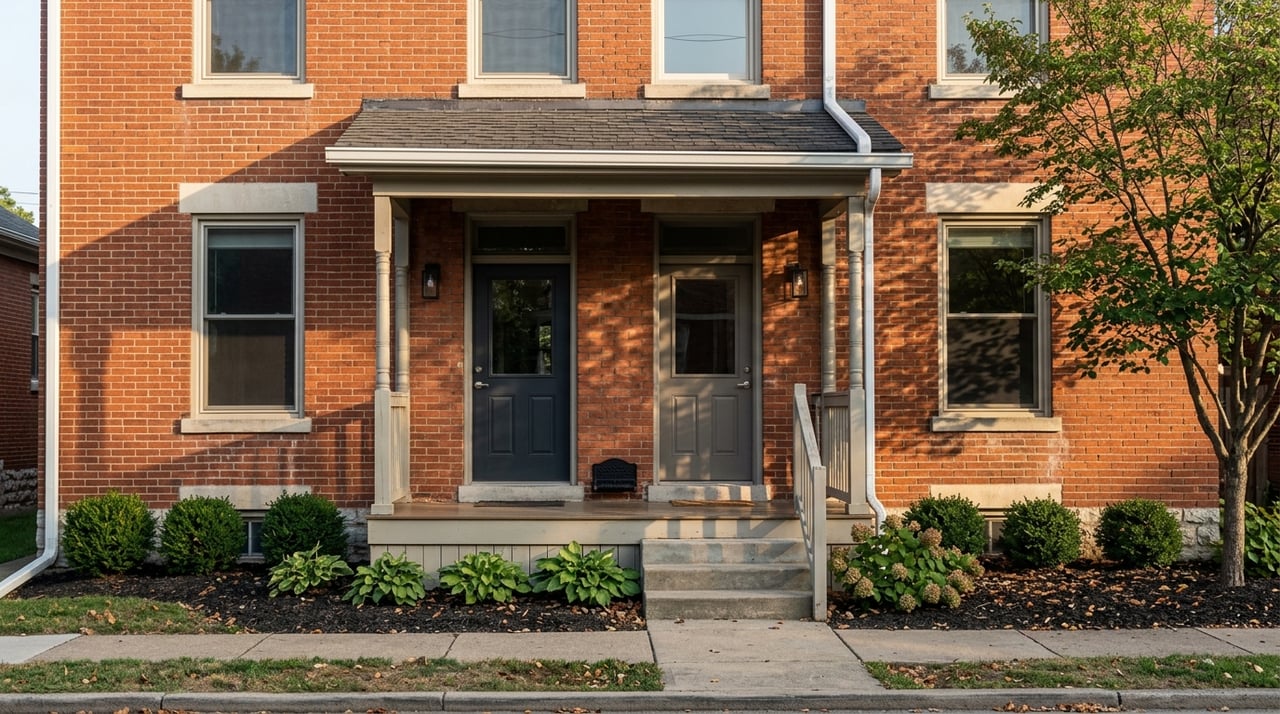
Lakeside Park also includes older two-story homes and character-rich architectural styles. The Dixie Highway Historic District includes examples of English Revival, Colonial Revival, Craftsman, and Foursquare homes built in the early 1900s, including houses with center-passage plans.
You may also find later listings described as Colonial, French Colonial, or other traditional forms. These homes often place living areas on the main floor and bedrooms upstairs, which can work well if you want clear separation between entertaining space and private space.
How each layout fits daily life
Best for fewer stairs
If you want the simplest day-to-day circulation, a ranch is usually the easiest fit. Because the main rooms are on one level, you can move through the home without constantly going up and down stairs.
That can be especially appealing if you want easier long-term living, a simpler setup for young children, or a home where the primary bedroom, kitchen, and laundry are all close together. In many cases, the convenience of one-level living is the main selling point.
Best for separation and privacy
If your household needs more separation between activity zones, split-level and two-story homes often work better. These layouts naturally create distinct spaces for living, sleeping, guests, or working from home.
That separation can be useful if one person needs a quiet office while others are using the kitchen or family room. It can also make hosting easier, since guests and everyday living areas do not always overlap as much.
Best for character and charm
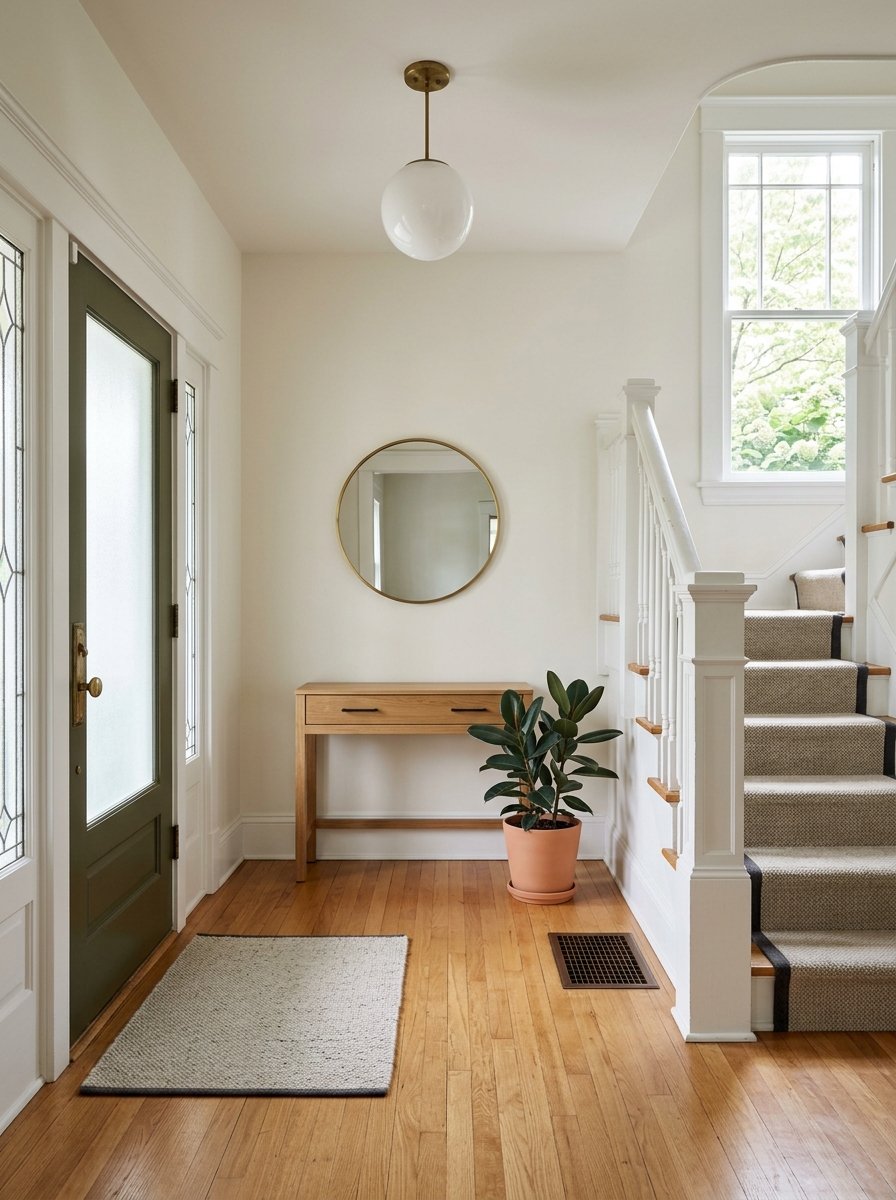
If you are drawn to trim details, fireplaces, porches, and a more traditional room-by-room feel, older two-story and character homes may be the best match. Lakeside Park has real examples of these older forms, especially around the historic district context.
The trade-off is that older homes often begin with more defined rooms instead of the open concept many buyers want today. If you love character but also want major layout changes, it is smart to go in with both vision and a realistic plan.
Best for flex space
Homes with lower levels can offer valuable extra space without changing the main footprint. In Lakeside Park, that can be a practical advantage, especially if you want a rec room, office, guest area, workout room, or storage.
A lower level may be easier to use for added living space than a full addition, but it is not a shortcut. Basement finishing is permit-driven and code-specific, so it should be part of your planning from the start.
What is easier to change and what is not
Opening up older layouts
Many buyers love the look of an older home but hope to create a more open kitchen or living area. That can be possible, but it is often one of the more structural parts of a remodel.
In Kenton County, plans for residential additions and related structural changes must identify structural elements that are removed, modified, or added. That includes opening size, beam and header size, span, and how loads transfer to the foundation. In plain terms, opening a wall may require more than cosmetic work, and it should be evaluated carefully.
Finishing a basement
If you want more usable square footage, finishing a basement or lower level can be an efficient path. For many buyers, that is more realistic than trying to build outward.
Planning and Development Services of Kenton County states that basement finish work requires a permit before construction begins. Requirements can include emergency escape windows for sleeping rooms, smoke detectors on every floor including the basement, fire blocking, and insulation details.
Building an addition
A bigger kitchen, expanded primary suite, or larger garage can sound great on paper. In reality, whether that addition works on a specific Lakeside Park property depends on lot shape, setbacks, easements, drainage, and the structure itself.
Planning and Development Services of Kenton County says additions require a permit before construction. The review process can involve foundation plans, framing plans, floor plans, elevations, site plans, and measurements tied to setbacks and other site conditions.
Why permits matter in Lakeside Park
Lakeside Park homeowners work through Planning and Development Services of Kenton County for zoning and building-code administration. PDS handles zoning ordinances for county jurisdictions and reviews building permit applications and required plans.
That matters because layout changes are not all created equal. Cosmetic updates like paint or flooring are different from removing walls, finishing lower levels, or expanding the footprint of the house. If your buying decision depends on a future renovation, it is wise to understand that approval and documentation may be part of the process.
Historic homes need extra due diligence
If you are considering an older home in or near a historic area, take a closer look before planning exterior changes. The Kentucky Heritage Council notes that National Register listing is honorary on its own, but local historic designations can involve separate review requirements.
Lakeside Park is identified among Kenton County cities with historic districts listed on the National Register. That does not mean every older home is heavily restricted, but it does mean exterior changes, additions, or façade updates deserve extra diligence early.
A practical way to choose the right plan
If you are comparing homes in Lakeside Park, start with how you want to live, not just what looks best online. A beautiful house with the wrong circulation can feel frustrating fast, while a less flashy floor plan may fit your routine perfectly.
Here are a few smart questions to ask as you tour homes:
- How often do you want to use stairs every day?
- Do you want open sight lines, or more separation between rooms?
- Would a lower level actually get used, or would it become storage?
- Are you comfortable taking on structural remodeling?
- Do you want character as-is, or character plus renovation potential?
- Will the layout still work for you a few years from now?
Matching the plan to your goals
The right answer is not the same for every buyer. A ranch may be the best fit if you want easy daily living and simple circulation. A split-level may work well if you want distinct zones without committing to a full two-story layout.
An older two-story home may be the right call if you value architectural character and do not mind a more traditional floor plan. And if your eyes are on future value, a home with lower-level potential may give you room to grow without changing the footprint right away.
One of the biggest advantages in a market like Lakeside Park is having options. The real key is knowing which option fits your lifestyle now, which changes are realistic later, and where due diligence matters most before you make an offer.
If you want help weighing floor plan function, remodel potential, and the real-world pros and cons of a specific Lakeside Park home, Laura Zembrodt can help you look past the finishes and make a smart, informed decision.
FAQs
What floor plan is most common in Lakeside Park homes?
- Lakeside Park does not appear to have one single dominant floor plan. Buyers are likely to encounter ranch homes, split-level homes, and two-story homes from different eras.
Which Lakeside Park floor plan is easiest for daily living?
- For many buyers, a ranch is the simplest for daily living because the main rooms are usually all on one level with fewer stairs.
Are split-level homes in Lakeside Park good for privacy?
- Yes. Split-level homes are designed to separate living zones across staggered levels, which can help create quieter spaces for sleep, work, or guests.
Can you open walls in an older Lakeside Park house?
- Sometimes, but it may involve structural review. In Kenton County, plans must identify structural elements being removed or modified, including how loads transfer to the foundation.
Do you need a permit to finish a basement in Lakeside Park?
- Yes. Planning and Development Services of Kenton County states that basement finish work requires a permit before construction starts.
Is finishing a basement better than adding onto a Lakeside Park home?
- It can be a practical option because it adds usable space without expanding the footprint, but it still requires permits and must meet code requirements.
Do additions in Lakeside Park require permits?
- Yes. Additions to a house, garage, duplex, or accessory structure require a permit and typically involve detailed plans and site measurements.
Should you be more careful with older or historic Lakeside Park homes?
- Yes. Older homes, especially those in or near historic district contexts, deserve extra due diligence before exterior alterations, additions, or major façade changes.