If you have ever walked through Hyde Park and thought, "Why does this neighborhood feel so distinct?" the answer is not just location. It is architecture. From porch-front homes with simple, practical layouts to steep-gabled houses with storybook charm, Hyde Park’s homes create much of the neighborhood’s everyday appeal. If you are trying to understand what defines Hyde Park living, this guide will help you read the styles, picture how they function day to day, and know what to look for as you search. Let’s dive in.
Hyde Park architecture tells a layered story
Hyde Park’s residential character grew out of late-19th- and early-20th-century development. Rail service expanded in 1882, redevelopment efforts took shape in 1892, and the area was annexed to Cincinnati in 1903. Those changes helped shape the housing stock that still gives Hyde Park much of its identity today.
That history matters because Hyde Park is not defined by a single look. City conservation guidance describes the area, especially the Observatory Historic District, as stylistically eclectic. You can see Italianate, Queen Anne, Eastlake, Shingle, Colonial Revival, Dutch Colonial, Bungalow, and Tudor Revival influences in the same neighborhood fabric.
For you as a buyer or homeowner, that means Hyde Park offers variety rather than uniformity. The neighborhood has a shared visual language, but not a one-style-fits-all feel. That mix is part of what makes the area so appealing.
Hyde Park Square anchors the neighborhood
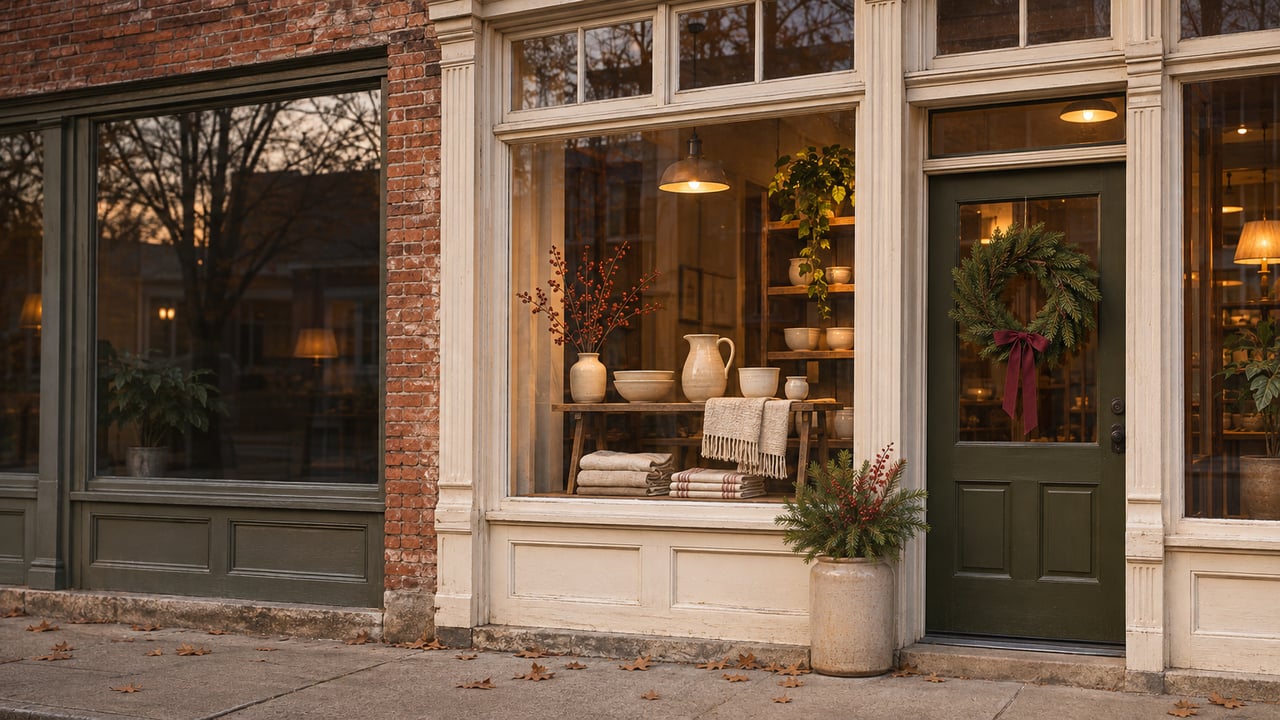
Hyde Park Square remains the community’s center, and the city plan notes that newer buildings have brought more residents to the Square while its historic character is still protected by an Urban Design Overlay District. In simple terms, Hyde Park continues to evolve without letting go of the design features that make it recognizable.
That blend of old and new shapes how people experience the neighborhood. You can find historic homes on established streets, along with newer housing options closer to the Square. For many buyers, that means you are not choosing between character and convenience quite as sharply as you might in other neighborhoods.
American Foursquare offers practical charm
One of the most useful styles to understand in Hyde Park is the American Foursquare. The National Park Service describes it as a square, practical, two-story house with four rooms on each main floor, a side-tucked entry hall, a hipped roof, and usually a full-width front porch.
What does that mean for daily life? Usually, it means a home that feels orderly, efficient, and easy to understand. The square massing often creates straightforward room separation, which many buyers still appreciate today.
Foursquares also tend to be flexible in appearance. While the form is consistent, details may borrow from Colonial Revival, Prairie, Craftsman, Queen Anne, or Victorian influences. So if you like homes that feel balanced without being plain, this style often checks that box.
What to notice in a Foursquare
- Square massing
- Two-story layout
- Full-width front porch
- Hipped roof
- Straightforward room arrangement
For a design-minded buyer, a Foursquare can be especially appealing because the layout often gives you a strong starting point for updates. The structure tends to feel compact and usable rather than sprawling or awkward.
Tudor Revival brings storybook character
Tudor Revival is one of Cincinnati’s most common early-20th-century styles, and city planning specifically identifies Hyde Park as a neighborhood with many examples. These homes are often the ones that catch your eye first.
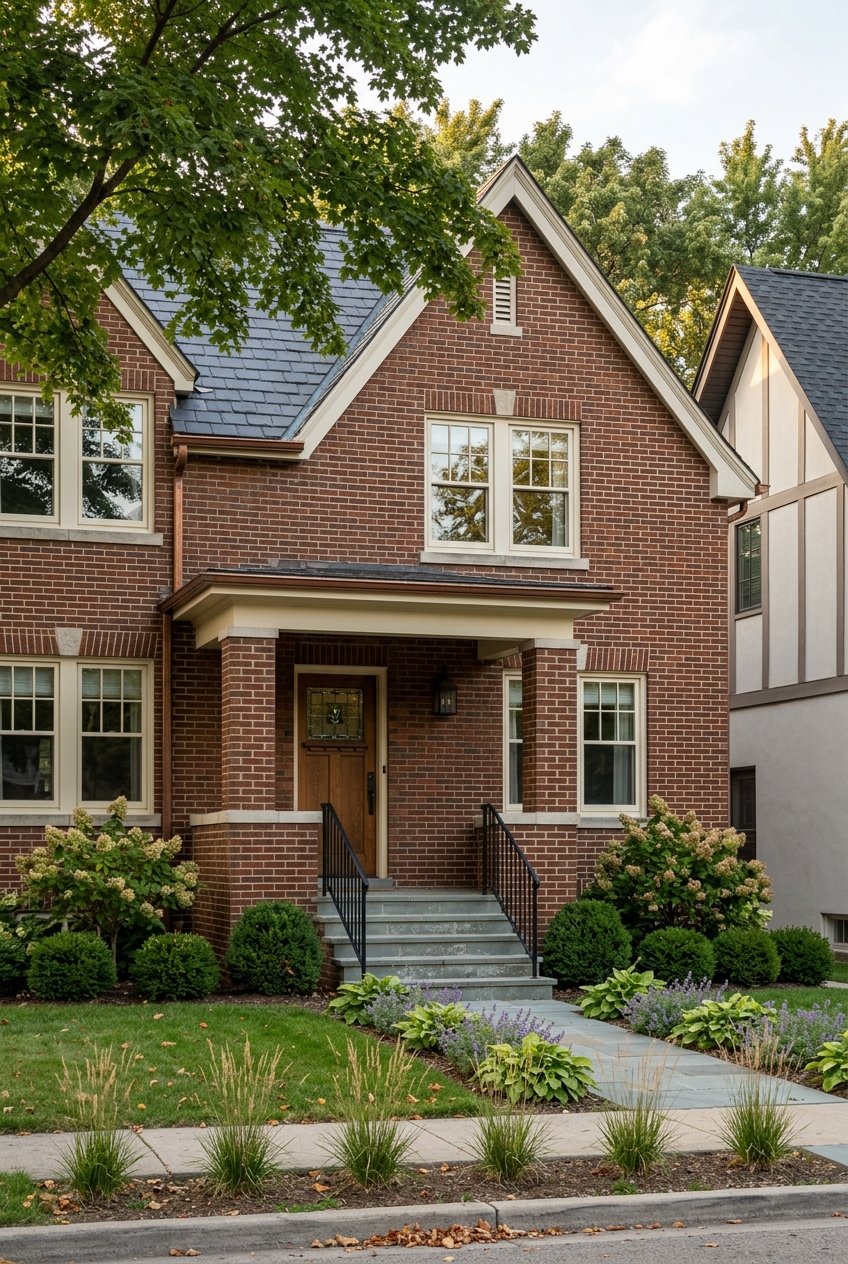
City style guidance points to steeply pitched roofs, intersecting gables, half-timbering, multi-paned windows, irregular plans, and decorative chimneys. Those details create the classic curb appeal many people associate with older Hyde Park streets.
The lifestyle side of Tudor Revival is important too. These homes often feel rich in character and architectural detail, but they may also have more complex exterior elements than a simpler house. More rooflines, chimneys, and specialty materials can mean more maintenance points over time.
What to notice in a Tudor Revival home
- Steeply pitched gables
- Half-timbering
- Decorative chimneys
- Multi-paned windows
- Irregular layout and rooflines
If you are drawn to charm and architectural presence, Tudor Revival may be the style that feels most like Hyde Park in your mind. It often delivers a strong emotional first impression.
Colonial Revival feels balanced and traditional
Colonial Revival is another important piece of Hyde Park’s architectural identity. In Cincinnati, this style is defined by symmetry, brick or clapboard walls, classical detailing, porches, and features like Palladian windows.
These homes often read as traditional and formal in the best way. A symmetrical façade and center-hall feel can make the layout feel calm, balanced, and easy to furnish. For many buyers, that translates into a home that feels familiar and functional right away.
City guidance also notes that early high-style Colonial Revival homes were built in areas including Hyde Park. Plan Hyde Park highlights the Bernheim House as a notable local example, which reinforces how closely this style is tied to the neighborhood’s architectural story.
What to notice in Colonial Revival homes
- Symmetrical façade
- Brick or clapboard exterior
- Classical detailing
- Balanced window placement
- Traditional room arrangement
If you like clean lines, proportion, and a more formal look, Colonial Revival may feel like a natural fit.
Craftsman and Bungalow styles feel relaxed
Craftsman and Bungalow homes add a more casual, porch-oriented layer to Hyde Park living. Cincinnati’s bungalow style became one of the city’s most common house types after arriving around 1910, especially in neighborhoods that grew quickly between 1910 and 1940.
Typical features include one-and-a-half stories, low-pitched roofs, wide overhangs, front porches, exposed rafters, and tapered porch supports. Compared with taller two-story homes, bungalows often feel more approachable and a little easier to navigate day to day.
That can matter if you want character without quite as many stairs or if you like homes that connect strongly to the front porch and street. Hyde Park’s Harry Milton Levy House is cited as both Craftsman and Tudor Revival, which is a great reminder that local homes often blend styles instead of fitting neatly into one category.
What to notice in Craftsman and Bungalow homes
- Low-pitched roof
- Wide overhangs
- Exposed rafters
- Front porch
- Tapered porch supports
These homes often appeal to buyers who want warmth, texture, and a less formal feel.
Hyde Park homes often blend styles
One of the biggest mistakes buyers make is trying to label every older home too precisely. In Hyde Park, many homes are composites. City guidance makes that clear by noting that altered houses and mixed influences are common in the neighborhood’s historic fabric.
That is actually good news for buyers. You do not need to be an architecture expert to understand what you like. It is often more helpful to focus on features such as roof shape, porch style, symmetry, window pattern, and how the layout feels when you walk through the home.
Useful terms can help you describe your preferences with more confidence. You might find yourself drawn to square massing, a full-width front porch, steeply pitched gables, a symmetrical façade, or classical detailing. Those details can tell you a lot about both style and livability.
Adaptive reuse adds another layer
Hyde Park’s architecture is not frozen in time. Some historic properties have changed use while still keeping their visual identity. A strong local example is the John Henry Weston House, which Plan Hyde Park describes as a mansion converted into six apartments in 1917 while incorporating Neoclassical, Tudor Revival, and Craftsman elements.
This is where Hyde Park becomes especially interesting. The neighborhood shows how older architecture can adapt over time without losing its presence. For you, that may open up more housing options if you love historic character but do not necessarily want a traditional single-family setup.
Newer multifamily options expand choice
Alongside older homes, Hyde Park also includes a more modern apartment and townhome layer, especially around Hyde Park Square and in East Hyde Park. Current city apartment listings show renovated studios and historic communities with features such as updated kitchens, stainless appliances, hardwood floors, and central air.
That matters because not every buyer wants the upkeep that can come with an older detached home. Updated multifamily living can offer a lower-maintenance option while still placing you in the same walkable community.
For some people, that tradeoff makes perfect sense. You may give up some square footage or privacy, but gain easier exterior maintenance and close access to the Square and the surrounding neighborhood amenities.
What architecture means for daily life
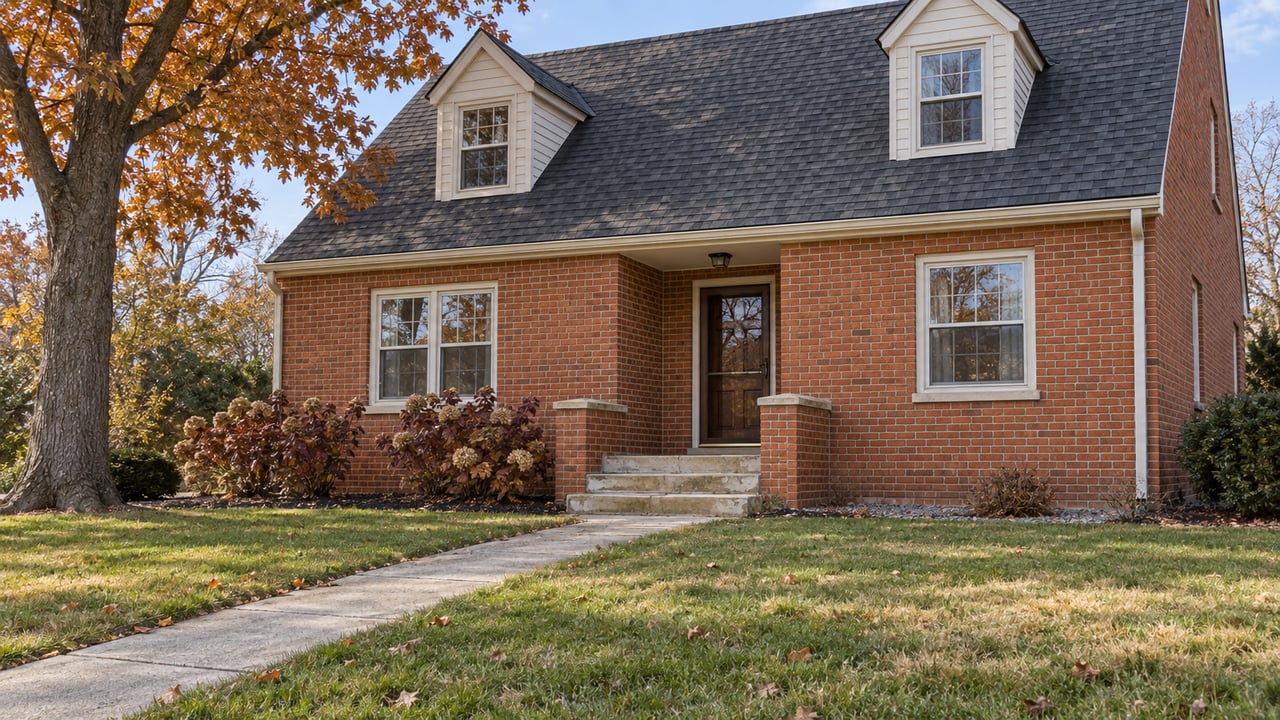
In Hyde Park, style is not just about appearance. It affects how a home lives. Older detached homes often offer more character, more room separation, and more visual detail, but they also tend to come with more exterior touchpoints such as porches, chimneys, siding, roofs, and original windows.
By contrast, newer or renovated multifamily options can simplify maintenance and support a more lock-and-leave lifestyle. Neither option is automatically better. It depends on how you want to live, how much upkeep you want to manage, and which features matter most to you.
This is where it helps to look beyond finishes. A pretty kitchen is great, but the home’s massing, rooflines, materials, and layout will shape your experience long after paint colors and light fixtures change.
How to shop Hyde Park styles wisely
If you are home shopping in Hyde Park, try to view architecture as both a design choice and a practical one. Ask yourself not only what style you love, but also how that style fits your routine.
A helpful way to compare options is to think about:
- Layout: Do you want formal room separation or a more casual flow?
- Maintenance: Are you comfortable with more exterior details and upkeep?
- Scale: Do you prefer a compact footprint or a larger two-story feel?
- Character: Do you want symmetry, craftsmanship, or dramatic curb appeal?
- Lifestyle: Would a detached home or updated multifamily option fit you better?
In a neighborhood like Hyde Park, those questions can be just as important as square footage. The right fit is often the home whose architecture supports the way you actually want to live.
If you want help sorting through Hyde Park’s character homes, blended styles, and lower-maintenance options, working with someone who understands both design and construction can make the process much clearer. Laura Zembrodt can help you evaluate not just what a home looks like, but how it functions, what to watch for, and where its potential really is.
FAQs
What architectural styles are common in Hyde Park, Cincinnati?
- Hyde Park is known for a mix of styles rather than one dominant look, including American Foursquare, Tudor Revival, Colonial Revival, Craftsman, Bungalow, and other historic influences such as Italianate, Queen Anne, Eastlake, Shingle, and Dutch Colonial.
What does Tudor Revival architecture look like in Hyde Park?
- Tudor Revival homes in Hyde Park often feature steeply pitched gables, half-timbering, multi-paned windows, decorative chimneys, and irregular rooflines and layouts.
What makes American Foursquare homes appealing in Hyde Park?
- American Foursquare homes are often appealing because they combine a practical two-story layout, square massing, a full-width front porch, and room arrangements that feel orderly and easy to use.
Are Hyde Park homes usually one architectural style?
- No. Many Hyde Park homes blend influences, and the neighborhood is known for an eclectic architectural character rather than a single uniform style.
Does Hyde Park offer lower-maintenance housing options?
- Yes. In addition to older single-family homes, Hyde Park includes newer or renovated multifamily options, especially near Hyde Park Square and East Hyde Park, which can offer updated features and less exterior maintenance.
Why does architecture matter when buying a Hyde Park home?
- Architecture affects more than curb appeal. It can shape layout, maintenance needs, daily function, and how well a home fits your lifestyle.