Older homes in Mount Lookout can be easy to fall for. You walk in, notice the charm, the rooflines, the original details, and suddenly it is tempting to focus on character before condition. If you are thinking about buying here, it helps to know which features add value, which issues need a closer look, and which renovation ideas may be harder than they seem. Let’s dive in.
Why older Mount Lookout homes stand out
Mount Lookout is one of Cincinnati’s early rail-line neighborhoods, set on an eastern hill with low-density single-family housing and lots shaped by rolling topography. Many homes were built in the early-to-mid 20th century, so buyers are often weighing classic style against the realities of age, maintenance, and update potential.
You will also see a strong sense of neighborhood character. The City of Cincinnati notes that Mount Lookout includes a large number of Tudor Revival homes, and other early-20th-century forms like Bungalow and Colonial Revival styles are also part of the area’s housing mix. That means house hunting here often includes steep roofs, dormers, decorative chimneys, and details that give each home a distinct feel.
Look at the layout, not just the finishes
Older homes in Mount Lookout may live differently than newer construction. Based on the neighborhood’s age and common architectural styles, you may find more compartmentalized floor plans, narrower hallways, smaller rooms, and upper-level spaces shaped by rooflines or dormers.
That does not mean the layout is a deal breaker. It just means you should think carefully about how you actually live day to day. If you want a wide-open kitchen and living area, a large mudroom, or oversized bedrooms, make sure the home’s current structure and footprint support those goals.
Pay attention to upstairs spaces
In one-and-a-half-story or dormer-heavy homes, upper rooms can feel smaller than the square footage suggests. Sloped ceilings, irregular wall lines, and tighter closet space can affect how usable those rooms feel.
When you tour, picture your furniture, storage needs, and daily routines. A room that looks charming in photos may function very differently in person.
Check the flow on the main floor
If entertaining or sightlines matter to you, notice how the kitchen, dining, and living spaces connect. Older homes often have more defined rooms, which some buyers love and others plan to change.
Before assuming you can remove a wall later, treat that as a structural question first. In Cincinnati, cutting away walls, removing bearing supports, changing egress, or relocating major plumbing, electrical, or mechanical components is not considered a minor repair.
Study the lot as closely as the house
In Mount Lookout, the site can be just as important as the floor plan. The neighborhood conservation plan says lots are often narrower but deeper, shaped by the area’s rolling topography.
That can affect how the home sits on the property and how usable the outdoor space feels. Look closely at side yards, backyard depth, driveway layout, and whether previous additions seem to fit naturally on the lot.
Hillside lots need extra attention
Because Mount Lookout sits on a hill, water management matters. Proper gutters, downspouts, and grading that directs water away from the house all play a role in moisture control.
When you walk the property, look for clues like pooling water, downspouts that discharge too close to the foundation, or grading that appears to slope toward the house. These are the kinds of details that can affect both comfort and long-term maintenance.
Know the neighborhood rules before you plan changes
Mount Lookout’s character is not accidental. The Neighborhood Conservation District plan includes compatibility standards for replacement principal structures, including width, depth, height, massing, and setbacks.
For buyers, that is important because renovation plans do not happen in a vacuum. If you are considering a major addition, exterior redesign, or a teardown-and-rebuild approach, neighborhood standards may shape what is realistic.
Historic review may apply
If a property is locally designated historic, the City of Cincinnati requires a Certificate of Appropriateness from the Urban Conservator before work begins. Even if the home is not individually designated, bigger exterior changes in Mount Lookout may still face compatibility limits tied to the conservation district.
This is one reason due diligence matters so much before you buy. A home’s potential is not only about design ideas. It is also about what the site, structure, and local rules will allow.
Watch for lead-based paint concerns
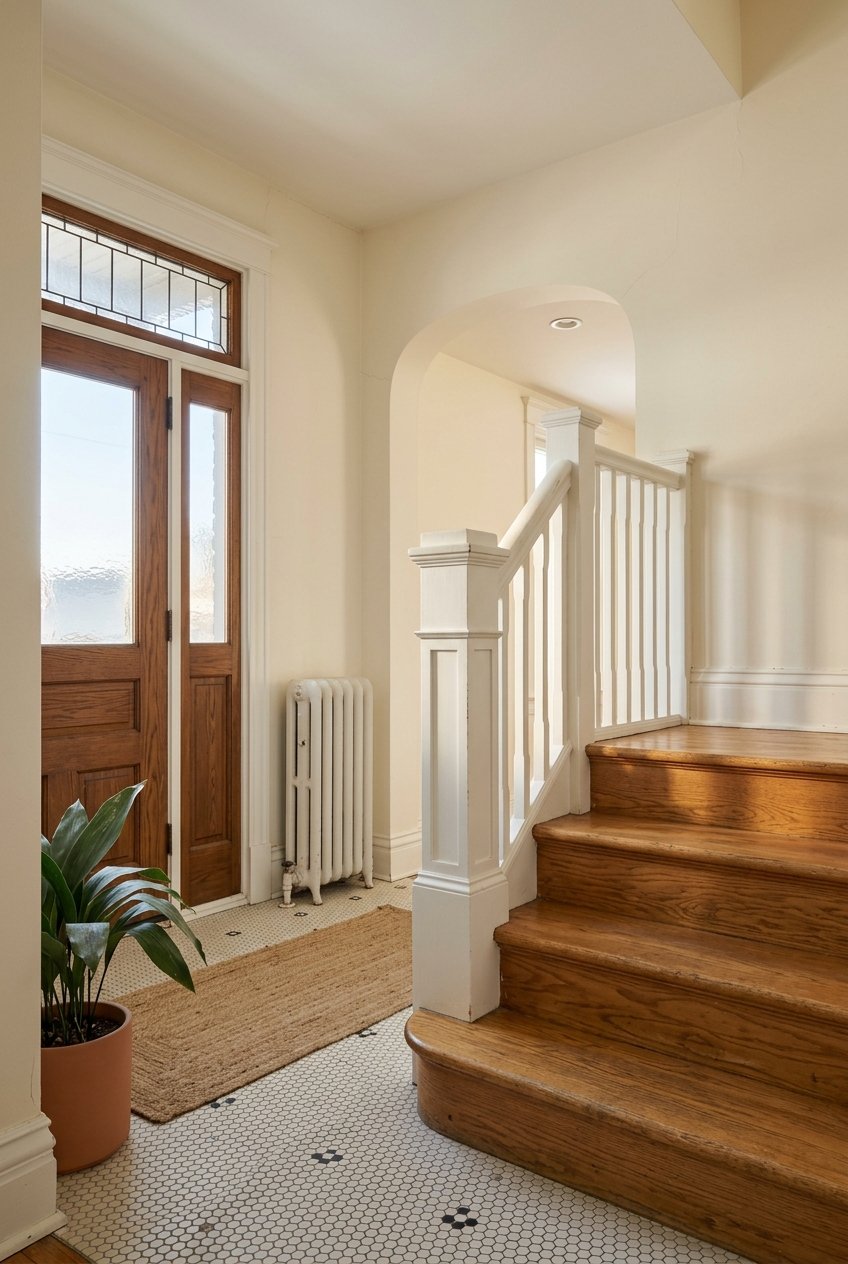
In a neighborhood with many early-20th-century homes, lead-based paint should be on your radar. The EPA says homes built before 1978 are more likely to have lead-based paint, and hazards often show up on high-wear surfaces like windows, doors, stairs, railings, banisters, and porches.
This does not mean every older home is unsafe. It means you should understand where the risks may be and ask smart questions during the transaction.
Understand the disclosure requirement
Federal law requires disclosure of known lead-based paint and known lead hazards before the sale or lease of most pre-1978 housing. Buyers of most pre-1978 homes also have the right to know about those hazards before signing a contract.
If you are buying in Mount Lookout, this is not just a formality. It is a key part of understanding the home’s condition and planning for future repairs or updates.
Be careful before renovating
If you are planning to repaint, refinish, or remodel, disturbing old paint can create risk. The EPA advises consulting a certified lead professional before renovation, repair, or painting work that could disturb lead-based paint.
That is especially important in homes with original trim, windows, doors, and porches that may still contain older materials.
Keep asbestos on your checklist
Asbestos is another issue that can come up in older homes, especially if you plan to renovate. According to the EPA, you cannot tell by looking whether a material contains asbestos.
Materials such as older floor tile, ceiling tile, or pipe wrap may need evaluation if they are damaged or likely to be disturbed. If renovation is part of your plan, this is worth discussing early so you can budget and plan realistically.
Evaluate insulation and comfort
A beautiful older home can still feel drafty, uneven, or expensive to heat and cool. The U.S. Department of Energy notes that many older homes have less insulation than newer homes.
That is why comfort should be part of your tour, not just cosmetic appeal. Notice room temperatures, older windows, and any signs that the house may need efficiency upgrades.
Consider a professional energy assessment
A professional home energy assessment can help identify problem areas using tools like blower doors, infrared cameras, and moisture meters. That kind of information can be useful if you are comparing two older homes that look similar on the surface but may perform very differently.
For buyers who want character without constant surprises, this can be part of a smarter due-diligence plan.
Expect code and safety updates during renovations
If you plan to improve an older Mount Lookout home over time, remember that renovation work can trigger safety and code requirements. Cincinnati’s residential repair guidance notes that hardwired smoke detectors are required in existing dwellings when there are interior alterations in many cases.
The city also flags stairs, handrails, and egress windows as common code items. In addition, the CPSC says every home should have a carbon monoxide alarm on each level and in the hallway near sleeping areas.
These items may not be the most exciting part of a remodel, but they matter. Safety upgrades can affect budget, timeline, and the scope of work, so it is better to know that upfront.
Ask these due-diligence questions early
When you are serious about an older home in Mount Lookout, a few questions can help you separate charm from costly surprises.
- Were prior remodels or major changes properly permitted?
- Which walls are structural, especially if you want a more open layout?
- Are there known lead-based paint concerns?
- Could asbestos be present in materials that may be disturbed?
- Has moisture or drainage around the foundation been addressed?
- Do the lot shape and topography create any limitations for additions or outdoor use?
- If you want exterior changes, could conservation district or historic requirements affect the plan?
These are the kinds of details that can change your budget, renovation path, and comfort level with the home.
Why a trained eye matters in Mount Lookout
Older homes reward buyers who look past staging and surface updates. In Mount Lookout, the best decisions usually come from balancing charm, structure, site conditions, and realistic renovation potential.
That is especially true if you are comparing homes with different levels of updating. A pretty kitchen is nice, but a smart purchase also considers drainage, layout limits, permit history, and how the home may perform after move-in.
If you want help evaluating older homes with both design vision and practical due diligence in mind, connect with Laura Zembrodt. She can help you look beyond finishes, ask better questions, and make a more confident move.
FAQs
What should you check first in an older Mount Lookout home?
- Start with layout, moisture and drainage, permit history, and possible lead-based paint concerns, especially in homes built before 1978.
Can you open up the floor plan in an older Mount Lookout house?
- Sometimes, but wall removal should be treated as a structural and permit question before it becomes a design plan.
Do older Mount Lookout homes have renovation limits?
- Yes, some exterior changes may be shaped by Mount Lookout’s Neighborhood Conservation District, and locally designated historic properties may require a Certificate of Appropriateness.
Why does the lot matter in Mount Lookout home searches?
- Many lots are narrower and deeper due to rolling topography, which can affect yard use, driveway layout, drainage, and addition potential.
Are lead-based paint issues common in older Mount Lookout homes?
- Homes built before 1978 are more likely to have lead-based paint, so buyers should review disclosures carefully and plan cautiously before disturbing old painted surfaces.
What hidden costs can show up in older Mount Lookout houses?
- Common issues include moisture management, insulation upgrades, code-related safety improvements, and testing or treatment related to lead-based paint or asbestos.