Picture a neighborhood where you can stroll to coffee, pick up fresh produce at a Sunday market, and relax under mature trees after dinner. If that sounds like your pace, Hyde Park on Cincinnati’s east side should be on your list. You want charm, convenience, and a clear sense of place without giving up easy access to downtown. In this guide, you’ll get a feel for the vibe, homes, parks, schools, commutes, and current market context so you can decide if it is the right fit. Let’s dive in.
Location and overview
Hyde Park is an established in-town neighborhood about 5 to 7 miles northeast of downtown Cincinnati. It sits on a plateau above the river valley and centers around its classic commercial hub, Hyde Park Square. The area is compact, which makes it easy to get your bearings and build daily routines close to home. For a planning and history snapshot, the American Planning Association highlights the neighborhood’s strong sense of place and architecture in its profile of Hyde Park.
Learn more about the neighborhood’s planning context in the American Planning Association’s overview of Hyde Park: Great Places in America: Neighborhoods.
Walkability and vibe
Hyde Park is widely described as walkable and village-like. Tree-lined residential streets lead to a service-rich center where most daily errands can be done on foot. Walk Score places central Hyde Park in the Very Walkable range, with mid-80s scores around the Square, which means you can often leave the car at home for coffee, a quick meal, or basic shopping. You can explore a representative score here: Walk Score for central Hyde Park.
Hyde Park Square
The Square is the heart of day-to-day life. A small island park with the restored Kilgour Fountain anchors the block, and you’ll find independent shops, cafés, restaurants, and services around it. On Sundays from mid May through October, a seasonal farmers’ market adds extra energy, and larger community events like the Hyde Park Art Show and Hyde Park Blast draw neighbors out to mingle. Get the flavor of the Square directly from the merchants’ group: Hyde Park Square overview.
You may also see enhancements over time as public and private partners invest in the experience of the Square. For a look at community-driven improvements, visit the Cincinnati Parks Foundation page on Hyde Park Square revitalization.
Homes and architecture
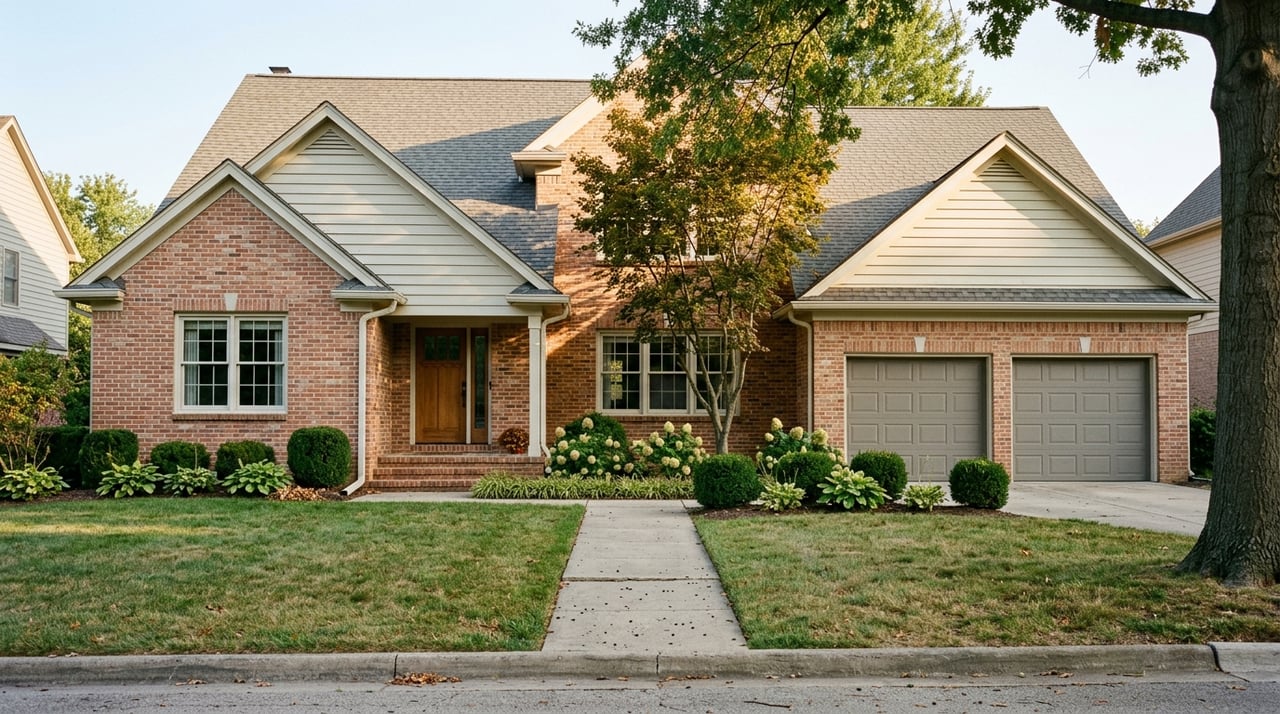
Hyde Park’s housing mix is a major part of its appeal. You’ll see a range of styles and sizes across different blocks, from grand historic homes to classic bungalows and convenient condo options.
Historic homes
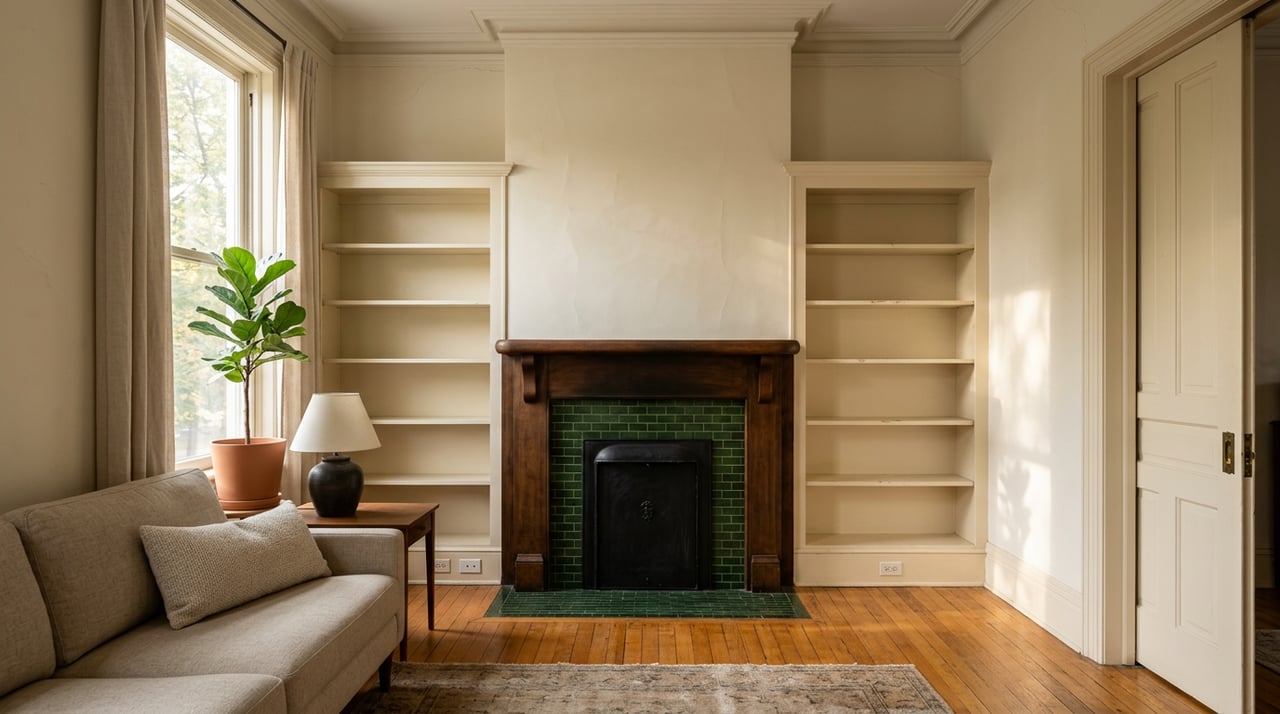
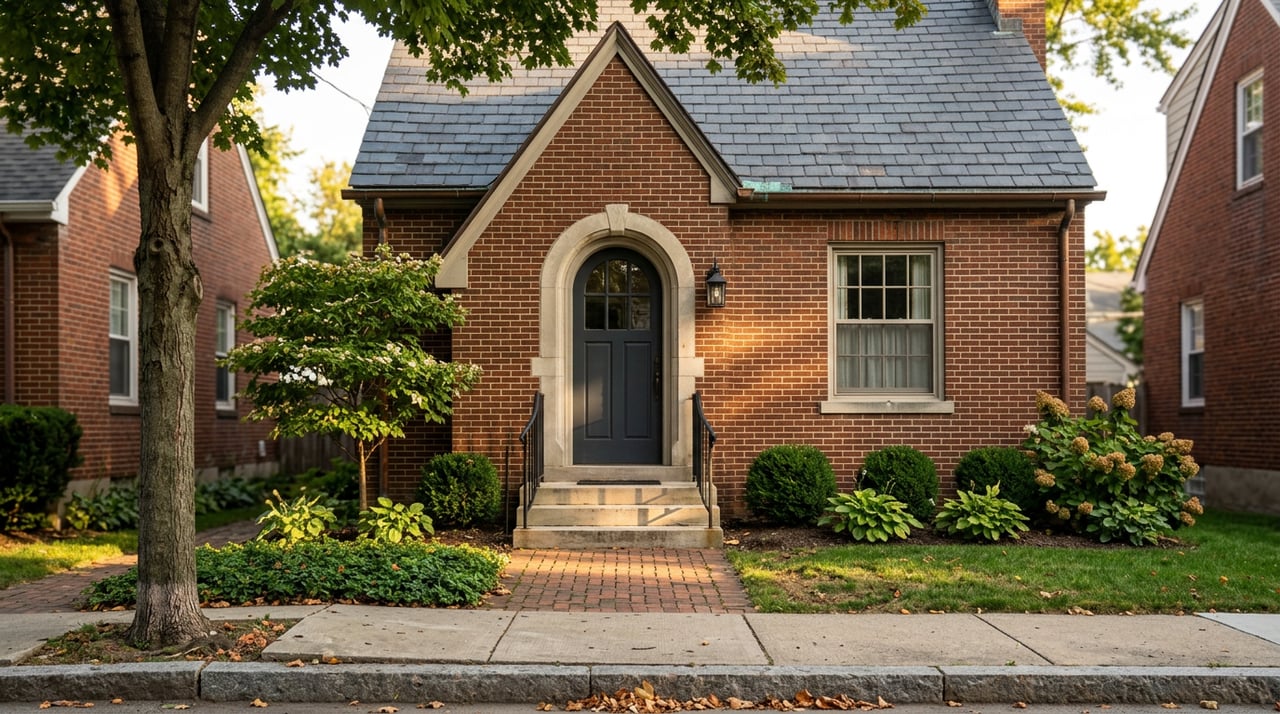
Many streets showcase late 19th and early 20th century architecture, including Victorian-era residences and period revival styles such as Colonial Revival and Tudor Revival. The neighborhood’s historic core and nearby Observatory Historic District include architecturally notable examples. This heritage also explains why many blocks retain a consistent scale and character. The American Planning Association offers helpful context on the area’s architectural pedigree in its Hyde Park profile.
Bungalows and Craftsman
Smaller early 20th century homes, including Craftsman and bungalow types, line many blocks. These properties often deliver period charm and efficient layouts at price points that can be more approachable than the largest historic homes.
Condos and infill
Around the Square and along busier corridors, you’ll find low-rise mixed-use buildings, renovated flats, and a measured amount of recent infill, including small condo projects and adaptive reuse. This gives you options if you want a lower-maintenance home with strong “walk-to” convenience near shops and dining. Explore the area’s retail and mixed-use heart at the Hyde Park Square site.
Lots and parking
- Near the Square: lots are smaller and more urban, with many homes relying on on-street parking and shorter front setbacks. This pattern supports a true walk-to-coffee lifestyle.
- Interior and park-adjacent blocks: lots are larger and lined with mature trees. Many homes have driveways and detached or attached garages. The neighborhood has historically resisted large-scale lot splits, which helps preserve block character. For design review and zoning context, the Hyde Park Neighborhood Council shares zoning maps and resources, and the American Planning Association notes local conservation and historic review practices in its Hyde Park overview.
Parks and outdoors
Ault Park
Ault Park is one of Cincinnati’s signature green spaces and a favorite weekend destination for Hyde Park residents. You’ll find formal gardens, a grand pavilion with city views, wooded trails, and seasonal events such as summer programming and fireworks. Recent years have brought playground upgrades and continued investment in the park. Get an at-a-glance introduction here: Ault Park.
Trails and smaller parks
Hyde Park offers pocket parks and easy access to the growing network of multi-use trails, including the Wasson Way corridor that connects to nearby neighborhoods. Whether you are a runner, cyclist, or dog walker, it is easy to build a routine outdoors.
Schools and learning
Hyde Park School serves neighborhood students in grades K through 6 and is part of Cincinnati Public Schools. Older students commonly attend Withrow High School or other district options, depending on assignment and program choice. For current enrollment, program information, and boundary details, start with the official school site: Hyde Park School.
Private and specialty schools are also nearby, including options families often consider in the broader area. Always verify the latest assignments, program offerings, and transportation details directly with the schools.
Getting around
Driving times
Hyde Park sits close to I-71, which makes car commutes into downtown straightforward in normal traffic. Many local descriptions cite about 10 to 20 minutes to the central business district, depending on time of day. Access to regional shopping and employment centers is similarly convenient.
Bus transit
Several Metro bus routes serve Erie Avenue and Madison Road, providing connections to downtown and uptown. Service is available, though the neighborhood tends to be more car-and-walk oriented than transit first. Route details and stops are published by Metro: Erie Avenue bus service.
Daily conveniences
Between the Square and nearby corridors, you can cover most weekly needs without driving far. Expect independent cafés and bakeries, local boutiques, personal services, and neighborhood dining. For larger-format retail and major grocery chains, nearby centers in the Rookwood and Kenwood areas offer additional options. See the current mix at the Hyde Park Square merchants page.
Market snapshot 2026
If you are starting to track pricing, it helps to understand how different services measure the market:
- Redfin’s January 2026 snapshot reports a Hyde Park median sale price of about $500,938, with homes selling in roughly 55 to 57 days on average.
- Zillow’s Home Value Index (ZHVI) shows a typical home value around $555,924 as of January 31, 2026. ZHVI is a smoothed index that tracks market-level value trends, not month-to-month median sale prices.
- Realtor.com’s December 2025 view shows a neighborhood median listing price of about $369,000, which reflects active listings at that time and their methodology.
Numbers differ because each service uses distinct boundaries, time windows, and definitions, such as median sale price, median list price, or an index value. Treat these figures as context and expect movement over time. If you are serious about a purchase or sale, review current comps and on-the-ground activity before making a decision.
Who Hyde Park fits
- Families who want neighborhood schools, parks, and consistent routines near home.
- Professionals who value a short commute and a walkable local scene for errands and dining.
- Empty nesters who prefer an amenity-rich, compact neighborhood with easy social touchpoints like the farmers’ market and cafés.
Buyer tips and due diligence
Character homes are a big part of the draw in Hyde Park, and a little due diligence goes a long way. Here is a practical checklist to help you shop with confidence:
- Historic and design review: Parts of the neighborhood, including the Observatory Historic District and conservation areas, may require design review or certificates of appropriateness for exterior changes and new construction. Confirm requirements early. The American Planning Association explains the preservation context in its Hyde Park profile, and you can review local materials via the Hyde Park Neighborhood Council zoning resources.
- Systems and structure: Older homes can have aging roofs, masonry, windows, and mechanical systems. Factor updates into your budget and timeline.
- Lot and parking: Near the Square, expect smaller lots and on-street parking. On interior blocks and near parks, look for driveways and garages. Choose the pattern that matches your lifestyle.
- Remodel potential: Many buyers look for homes with cosmetic upside. If you plan changes, align them with any historic guidelines and confirm feasibility before you write an offer.
- Financing and timing: Desirable homes can still move quickly. Have your pre-approval ready and a plan for inspections so you can move with confidence.
Ready to explore?
Hyde Park blends walkable daily life with classic Cincinnati architecture, a lively central square, and easy access to parks and major corridors. If you want help comparing streets, evaluating a home’s condition and renovation potential, or reading the latest comps, let’s talk. Schedule a Consultation with Laura Zembrodt to map a plan that fits your goals.
FAQs
What is Hyde Park Square and why does it matter?
- It is the neighborhood’s central hub with the Kilgour Fountain, independent shops, cafés, restaurants, and a seasonal Sunday farmers’ market, plus events like the Hyde Park Art Show. Learn more at the Hyde Park Square overview.
How walkable is Hyde Park for daily errands?
- Central Hyde Park typically scores in the Very Walkable range, meaning many errands can be done on foot. See a representative score here: Walk Score for central Hyde Park.
What home styles will I find in Hyde Park?
- You will see late 19th and early 20th century homes, including Victorian-era, Colonial Revival, and Tudor Revival styles, plus Craftsman bungalows, with condos and renovated flats near the Square. Context appears in the American Planning Association’s Hyde Park profile.
Are there historic district rules I should know about?
- Yes. Some areas, such as the Observatory Historic District, have design review and certificate requirements that guide exterior changes. Check local resources via the Hyde Park Neighborhood Council zoning maps and the APA overview.
What parks and trails are nearby for weekend time?
- Ault Park offers gardens, a pavilion, trails, and seasonal events, and Hyde Park also connects to multi-use paths like the Wasson Way corridor. Get an intro here: Ault Park.
How long is the commute from Hyde Park to downtown?
- In normal traffic, many local descriptions cite about 10 to 20 minutes by car, thanks to proximity to I-71. Bus routes on Erie Avenue and Madison Road also connect to downtown: Metro Erie Avenue service.
Which public school serves Hyde Park for elementary grades?
- Hyde Park School serves K through 6 and is part of Cincinnati Public Schools. For current enrollment and program details, visit the official site: Hyde Park School.
What are home prices like in early 2026?
- As context, Redfin’s January 2026 median sale price was about $500,938, Zillow’s ZHVI typical value was roughly $555,924 as of January 31, 2026, and Realtor.com’s December 2025 median listing was about $369,000. Methods differ, so review current comps before you decide.